What We Fix on Long Island Roofs
We have repaired every kind of roof failure that Long Island weather can produce. Here are the most common calls we get:
Leaks. The number one call. Water stain on the ceiling, dripping in the attic, damp spot on the wall. Most leaks are caused by failed flashing, not failed shingles. We trace the leak from inside the attic to the actual entry point on the roof, which is almost never directly above the water stain.
Missing or damaged shingles. Nor'easters, summer thunderstorms, and the occasional falling branch rip shingles off Long Island roofs every season. We keep the 15 most common shingle colors on the truck for same-day or next-day patch work.
Flashing failure. Around chimneys, skylights, plumbing vents, and wall junctions. Flashing is the thin metal that seals the transition between your roof surface and anything that sticks through it. When it corrodes, lifts, or cracks, water gets in. We replace flashing with new aluminum or copper and seal it properly.
Storm damage. Tree limbs, hail, wind-lifted shingle tabs. We assess the damage, document it for insurance, and fix it. If the damage is widespread enough that a full replacement makes more sense, we tell you that honestly.
Ice dam damage. Long Island gets ice dams in bad winters, especially on north-facing roof slopes and uninsulated Cape Cod dormers. We repair the damage and address the root cause (usually ventilation and insulation).
Pipe boot failure. The rubber collar around every plumbing vent pipe on your roof has a lifespan of about 10-15 years. When it cracks, water runs down the pipe and into your ceiling. We replace it in under an hour.
Ridge vent separation. Ridge vents can lift in high winds if they were not nailed properly or if the cap shingles have deteriorated. We re-secure or replace the ridge vent system.
When Repair Is the Right Call (and When It Is Not)
We make money on both repairs and replacements, so we have no incentive to push you toward one or the other. Here is our honest framework:
Repair makes sense when:
- The roof is under 15 years old
- The damage is localized (one section, one penetration, one flashing point)
- The rest of the roof has life left in it (granules intact, no widespread curling)
- The repair cost is under 30% of what a replacement would cost
Replacement makes sense when:
- The roof is 20+ years old
- There are multiple leak points
- Shingles show widespread granule loss, curling, or cracking
- You have had three or more repairs in the last two years
- The decking underneath has soft spots
We will tell you which one applies to your roof. If a $1,200 repair buys you 5-8 more years, that is a good investment. If a $2,500 repair buys you 12 months before the next leak shows up, that is throwing money away.
See our full guide: Roof Repair vs Replacement →
Honest Repair Pricing
| Repair Type | Price Range |
|---|---|
| Minor repair (small leak, few missing shingles) | $350 - $800 |
| Moderate repair (flashing failure, 50-100 sqft section) | $800 - $2,500 |
| Major repair (large section, structural concern) | $2,500 - $6,000 |
| Emergency tarp (same-day) | $400 - $900 |
| Chimney flashing re-seal | $450 - $1,200 |
| Pipe boot replacement | $200 - $400 |
| Ridge vent repair | $300 - $800 |
All repairs include a 5-year workmanship warranty. If the repair fails because of how we did it, we come back and fix it free.
What a Repair Job Looks Like
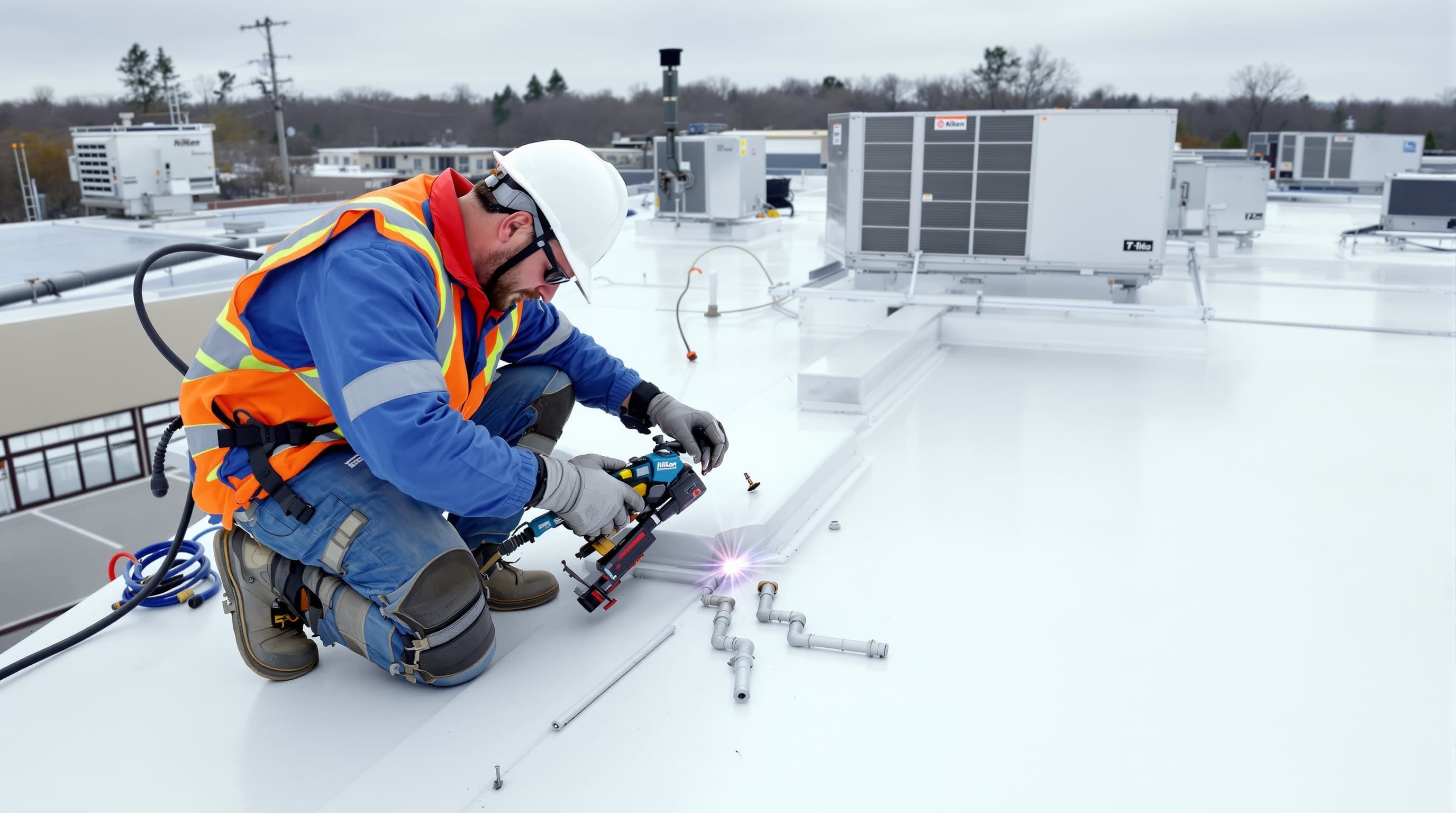
Step 1: Inspection. the owner or one of our foremen comes to your house, goes up on the roof (or uses a drone for steep pitches), and finds the actual source of the problem. We take photos and show you exactly what is going on.
Step 2: Diagnosis and quote. We tell you what caused the failure, what we need to do to fix it, and what it costs. Written quote, usually same day.
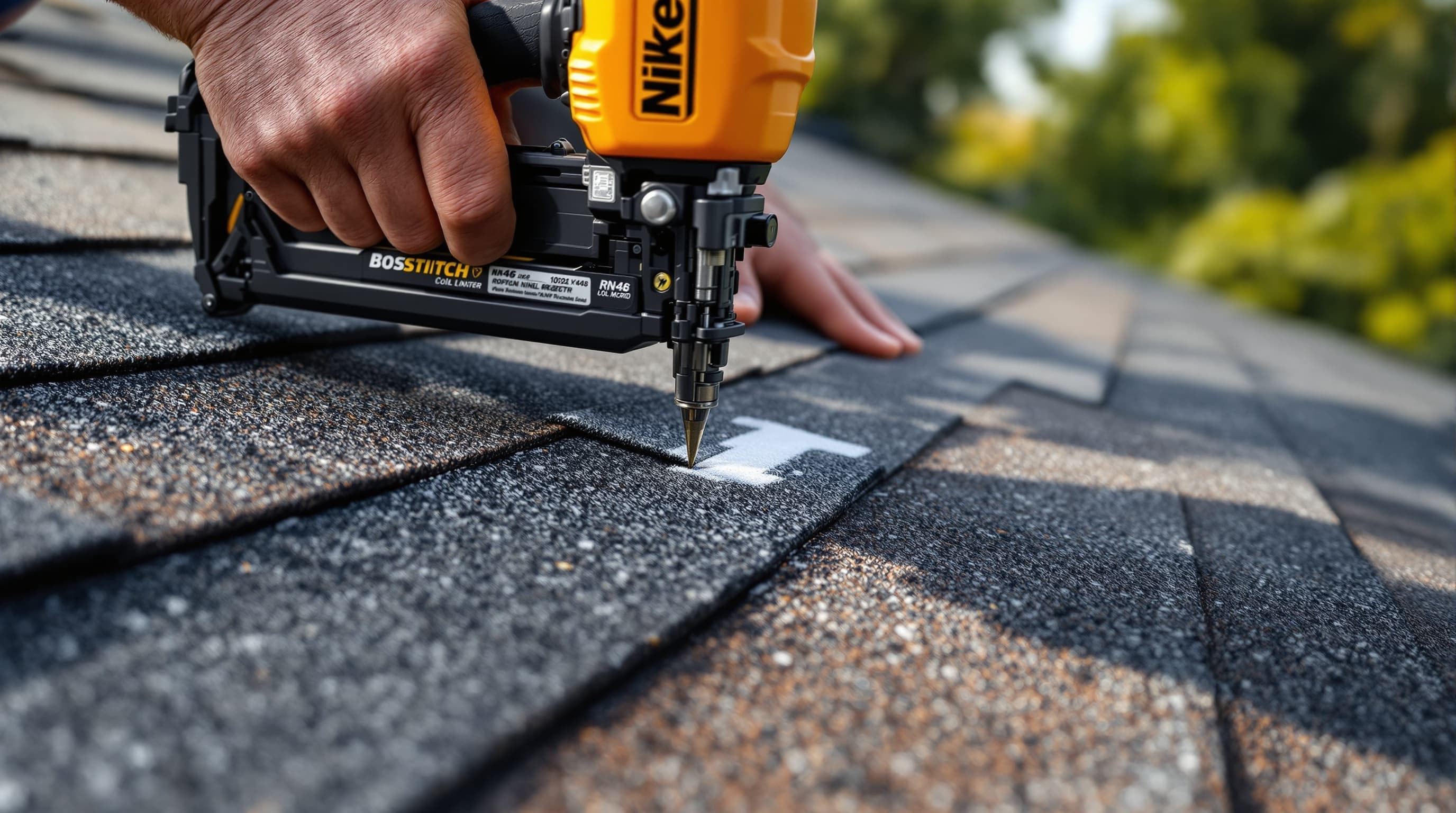
Step 3: Repair. We schedule the repair within 3-7 days (faster for emergencies). Most repairs take 2-6 hours. We show up, fix it, clean up, and leave.
Step 4: Verification. We hose-test the repair if appropriate, or return after the next rain to verify. You get a warranty certificate.
Where We Repair Roofs on Long Island
We repair roofs in every corner of Nassau and Suffolk County. Towns we cover most frequently:
Suffolk County: Huntington, Bay Shore, Commack, Babylon, Bay Shore, Islip, Patchogue, Smithtown, Hauppauge, Kings Park, Brentwood, Deer Park, Sayville, and Port Jefferson.
Nassau County: Hicksville, Massapequa, Levittown, Hempstead, Garden City, Plainview, Syosset, Oyster Bay, Valley Stream, and Long Beach.
If you do not see your town, call us — we cover all of Long Island. Most repair estimates are scheduled within 48 hours of your call.